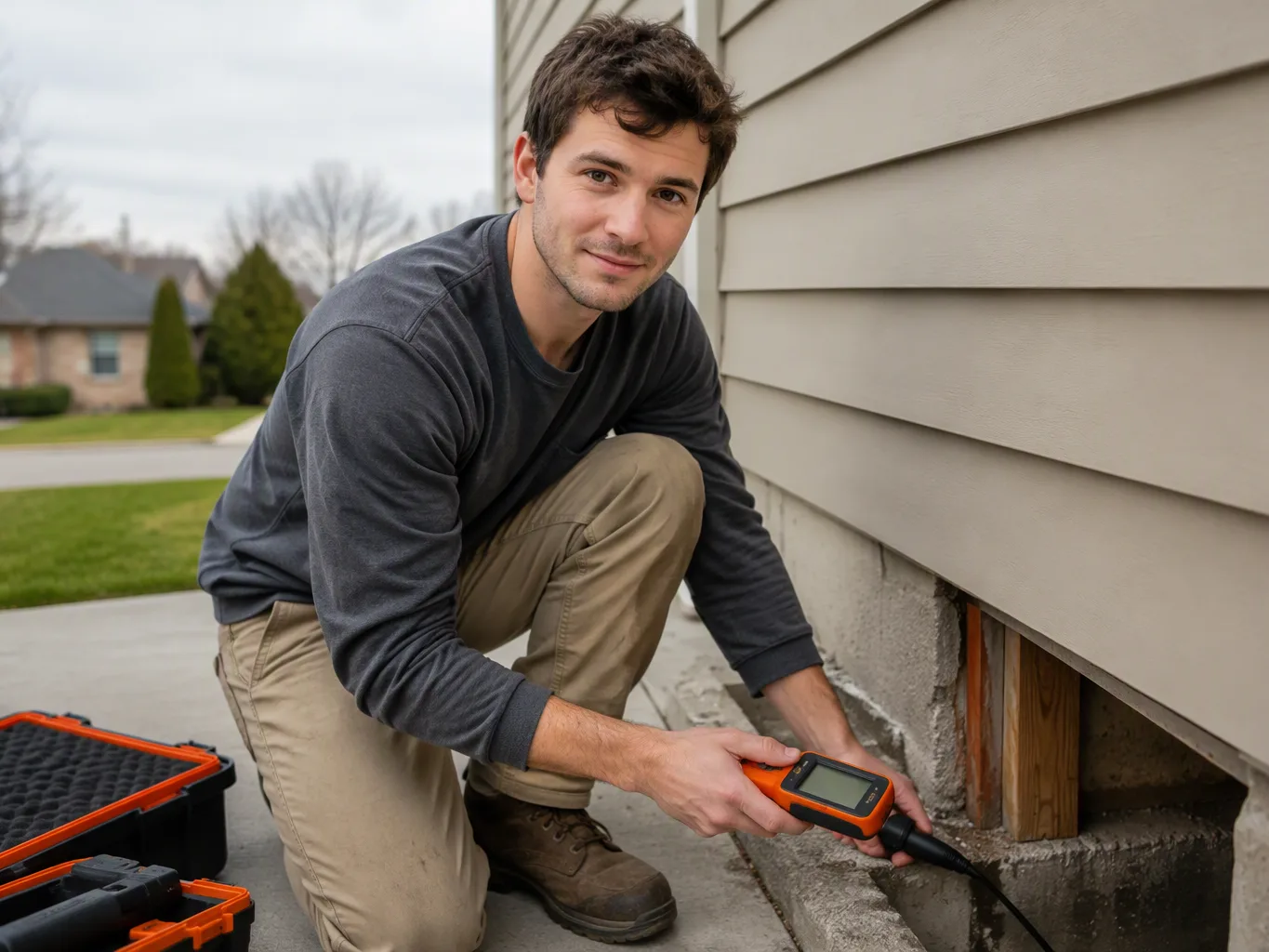
Protect your property’s indoor air quality and structural integrity. RTI Roofing & Tuckpointing provides reliable mold inspection and testing services for homes and commercial buildings across Illinois and Indiana.
Mold concerns often appear alongside water intrusion, damp materials, or areas that do not dry properly. A careful inspection looks beyond the first visible spot and considers nearby surfaces where moisture may also be present.
Testing can provide additional information when the source is unclear or when visible conditions do not tell the whole story. The findings help define the next step instead of guessing at the extent of the problem.
Symptoms
When to call
Visible mold-like growth
Dark, green, white, or discolored growth on a surface deserves attention, especially when it is near a roof leak, plumbing issue, or other damp area. An inspection can document the visible condition and check surrounding areas.
A persistent musty odor
A musty smell can point to damp materials or growth that is not immediately visible. Inspection focuses on nearby areas and possible moisture sources rather than treating the odor alone.
Water damage or staining
Ceiling stains, wall discoloration, damp insulation, and other signs of water entry can create conditions where mold concerns develop. Checking the affected area helps determine whether the problem is limited to one spot or extends beyond it.
A recurring moisture problem
If an area keeps becoming damp after repairs or drying, the source may not have been resolved. Inspection looks at the condition of the affected materials and the areas connected to the moisture problem.
Our process
How the visit goes
1
Discuss the concern
We start with what you have noticed, including odors, visible changes, water damage, and when the issue began. This provides context for the areas that need closer attention.
2
Inspect affected areas
The inspection examines visible surfaces and nearby areas that may have been exposed to moisture. Conditions are documented so the concern can be evaluated based on what is present rather than on appearance alone.
3
Collect testing samples when needed
When testing is appropriate, samples are collected from the areas being evaluated. Testing is used to add information where an inspection alone cannot answer the question.
4
Explain the findings
The results are reviewed with you, including the areas inspected, conditions observed, and any testing information available. The next steps can then be based on the findings.
Scope
What the job includes
Quoted according to the inspection scope and whether testing or sample collection is needed. Any additional work is discussed separately.
Not always. Visible conditions can often be documented during the inspection, while testing may be useful when the concern is unclear or additional information is needed. The appropriate approach depends on what is found.
Can an inspection find mold that is hidden?
An inspection can identify conditions and areas that may warrant closer attention, but concealed conditions cannot always be confirmed without further evaluation. The findings will explain what was observed and what remains uncertain.
What should I do before the inspection?
Leave the affected area accessible and avoid disturbing visible material before the visit. If possible, note when you first noticed the odor, staining, growth, or moisture.
How much does mold inspection and testing cost?
The work is quoted after the scope is understood. The price depends on the areas involved and whether testing or sample collection is needed.